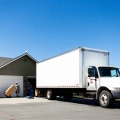
When planning a move, understanding moving costsmoving costs is essential for a smooth transition. Many people underestimate the financial implications of relocating, which can lead to unexpected expenses and stress. By grasping the various components that contribute to moving expenses, you can create a realistic budget that accommodates all necessary costs, ensuring that your move is not only efficient but also financially manageable. Moving costs can vary significantly based on several factors, including the distance of the move, the size of your household, and the services you choose. For instance, hiring professional movers may seem like a convenient option, but it often comes with a higher price tag compared to a DIY approach.
Understanding how to calculate moving costs involves evaluating these factors and determining what services align with your needs and budget. Moreover, it's crucial to consider both direct and indirect costs associated with moving. Direct costs include expenses like truck rentals, packing supplies, and labor fees, while indirect costs might encompass utility deposits, temporary housing, or even lost wages during the moving process. By taking the time to analyze these elements, you can avoid common pitfalls and ensure that your financial plan is comprehensive and well-informed.
Types of Moving Costs
When planning a move, understanding the types of moving costs you may encounter is crucial for budgeting effectively. Moving expenses can be categorized into several distinct types, each with its own implications for your overall moving budget.Fixed and Variable Moving Expenses
Moving costs can be divided into fixed and variable expenses.Fixed expenses are those that remain constant regardless of the specifics of your move. These typically include:
- Rental truck fees: The cost of renting a moving truck is usually a fixed rate based on the size of the vehicle and the duration of the rental.
- Storage fees: If you need to store your belongings temporarily, storage unit costs are generally fixed monthly rates.
- Insurance: Basic moving insurance often comes at a set price, providing coverage for your belongings during transit.
- Fuel costs: The price of gas can vary significantly, impacting your overall moving budget.
- Labor costs: If you hire movers, their rates may depend on the time required to complete the job.
- Tolls and parking fees: Depending on your route, these costs can add up and are often unpredictable.
Direct and Indirect Moving Costs
Another way to categorize moving expenses is by distinguishing between direct and indirect costs. Direct costs are those that are directly associated with the move itself, such as:- Packing supplies: Boxes, tape, and packing materials fall under this category.
- Moving company fees: Charges for hiring professional movers or a moving service.
These include:
- Lost wages: Time taken off work to manage the move can lead to lost income.
- Utility setup fees: Costs associated with setting up services in your new home.
Factors Influencing Moving Costs
When planning a move, understanding the factors influencing moving costs is crucial for budgeting effectively. Several key elements can significantly impact the overall expenses associated with your relocation.Distance
The distance between your current home and your new location is one of the most significant factors affecting moving costs. Generally, the farther you move, the higher the cost. Long-distance moves often involve additional expenses such as fuel, tolls, and overnight accommodations for the moving crew.Local moves, typically defined as those under 100 miles, may have a different pricing structure, often based on an hourly rate.
Size of Move
The size of your move also plays a critical role in determining costs. This includes not only the number of rooms in your home but also the volume and weight of your belongings. Larger homes with more furniture and personal items will require more time and resources to pack, load, and transport. Additionally, if you have bulky or fragile items that need special handling, this can further increase your moving expenses.Time of Year
The time of year you choose to move can greatly influence costs as well.Peak moving season typically runs from late spring to early fall when demand for moving services is highest. During this period, prices may surge due to increased competition for trucks and labor. Conversely, moving during the off-peak months—such as winter—can often yield lower rates and more flexible scheduling options. By considering these factors—distance, size of move, and time of year—you can better estimate your moving costs and make informed decisions that align with your budget.
Calculating Your Moving Costs: A Step-by-Step Guide
Calculating your moving costs can seem daunting, but breaking it down into manageable steps can simplify the process. Here’s a step-by-step guide to help you estimate your moving expenses accurately.- Assess Your Needs: Start by determining the size of your move.
Are you relocating a studio apartment or a five-bedroom house? The volume of your belongings will significantly impact your costs.
- Choose Your Moving Method: Decide whether you will hire professional movers, rent a truck, or use a portable storage container. Each option has different cost implications. For instance, hiring full-service movers typically costs more than renting a truck.
- Get Quotes: If you opt for professional movers, obtain at least three quotes from different companies. Ensure that these quotes include all potential fees, such as fuel surcharges and packing materials.
- Calculate Additional Costs: Don’t forget to factor in additional expenses such as:
- Packing Supplies: Boxes, tape, bubble wrap, and other materials can add up quickly.
- Insurance: Consider purchasing moving insurance to protect your belongings during transit.
- Travel Expenses: If you’re moving long-distance, include gas, food, and lodging costs along the way.
Input details like distance, size of the move, and any additional services required to get a more accurate estimate.
Hidden Costs of Moving
When planning a move, many people focus on the obvious expenses such as hiring a moving company, purchasing packing supplies, and transportation costs. However, there are several hidden costs of moving that can catch you off guard if you're not prepared.Understanding these unexpected moving expenses is crucial for creating a comprehensive budget.
- Utility Deposits: When moving into a new home, you may be required to pay deposits for utilities like electricity, water, and gas. These costs can add up quickly, especially if you are switching providers.
- Insurance Costs: While your moving company may offer basic insurance coverage, it often doesn’t cover the full value of your belongings. Consider purchasing additional coverage to protect your items during transit.
- Storage Fees: If your new home isn’t ready on moving day or if you need to downsize temporarily, you might need to rent a storage unit. These fees can accumulate over time.
- Cleaning Services: Whether you’re moving out of your old place or into your new one, hiring professional cleaning services can be an unexpected expense that many overlook.
- Travel Expenses: If you're relocating long-distance, don’t forget to factor in travel costs such as gas, meals, and lodging along the way.
- Additional Fees: Many moving companies charge extra for services like packing fragile items, disassembling furniture, or navigating stairs.
Always ask for a detailed estimate to avoid surprises.
Tips for Reducing Moving Costs
Moving can be a significant financial burden, but with careful planning and smart strategies, you can reduce your moving costs significantly. Here are some practical tips to help you save money during your relocation:- Plan Ahead: Start planning your move at least a month in advance. This gives you ample time to compare prices, book services early, and avoid last-minute expenses.
- Declutter: Before packing, go through your belongings and get rid of items you no longer need.
Host a garage sale or donate items to charity. The less you have to move, the lower your costs will be.
- Get Multiple Quotes: Don’t settle for the first moving company you find. Obtain quotes from at least three different movers to ensure you’re getting the best deal.
- Consider Off-Peak Moving: If possible, schedule your move during the off-peak season (typically late fall or winter) or on weekdays. Rates are often lower during these times.
- Use Free Packing Supplies: Instead of purchasing boxes and packing materials, look for free options.
Local stores often have spare boxes, and you can use blankets or towels for padding.
- Pack Yourself: If you’re comfortable doing so, consider packing your belongings yourself instead of hiring professionals. This can save you a significant amount of money.
Frequently Asked Questions About Moving Costs
When planning a move, understanding the associated costs is crucial. Here are some frequently asked questions about moving expenses that can help clarify your budget:What factors influence moving costs?
Several factors can affect the overall cost of your move, including:- Distance: The farther you move, the higher the transportation costs.
- Size of your home: Larger homes typically require more time and resources to pack and transport.
- Time of year: Moving during peak seasons (like summer) can increase costs due to higher demand.
- Additional services: Services such as packing, unpacking, and storage can add to your total expenses.
How much does it cost to move?
The cost of moving can vary widely based on the factors mentioned above.On average, local moves can range from $300 to $1,500, while long-distance moves may cost between $2,000 and $5,000. It's essential to get multiple quotes from moving companies to find the best deal.
Are there hidden costs in moving?
Yes, there are often hidden costs that can catch you off guard. Some common hidden fees include:- Fuel surcharges: Some companies may charge extra for fuel based on current prices.
- Tolls and parking fees: If your route includes tolls or requires special parking permits, these costs can add up.
- Insurance: While basic coverage is usually included, additional insurance for valuable items may incur extra charges.
How can I save on moving costs?
To minimize your moving expenses, consider the following tips:- Purge unnecessary items: Sell or donate items you no longer need to reduce the volume of your move.
- Compare quotes: Always obtain multiple estimates from different moving companies.
- Packing yourself: If possible, pack your belongings to save on labor costs.
Conclusion: Summarizing Your Moving Cost Calculations
In conclusion, accurately calculating your moving costs is essential for a successful relocation. By understanding the various factors that contribute to these expenses, you can better prepare your budget and avoid unexpected financial burdens.Throughout this article, we have explored several key components that influence moving costs:- Distance: The longer the distance, the higher the transportation costs.
- Volume of belongings: More items mean more packing materials and potentially larger moving trucks.
- Time of year: Moving during peak seasons can lead to increased rates.
- Additional services: Services such as packing, unpacking, and storage can add to your overall expenses.
- Insurance: Protecting your belongings during transit is crucial and may incur additional costs.
Start by listing all potential expenses and categorizing them into fixed and variable costs. This will help you identify areas where you might save money or need to allocate more funds.Moreover, consider obtaining multiple quotes from different moving companies to ensure you are getting the best deal. Don't forget to read reviews and check for hidden fees that could affect your final bill.Ultimately, a well-planned budget not only alleviates stress but also allows you to focus on the excitement of your new home. By following the guidelines outlined in this article, you can navigate the complexities of moving costs with confidence and ease.